Stiffness and strength: what the G₀/N ratio reveals about soil
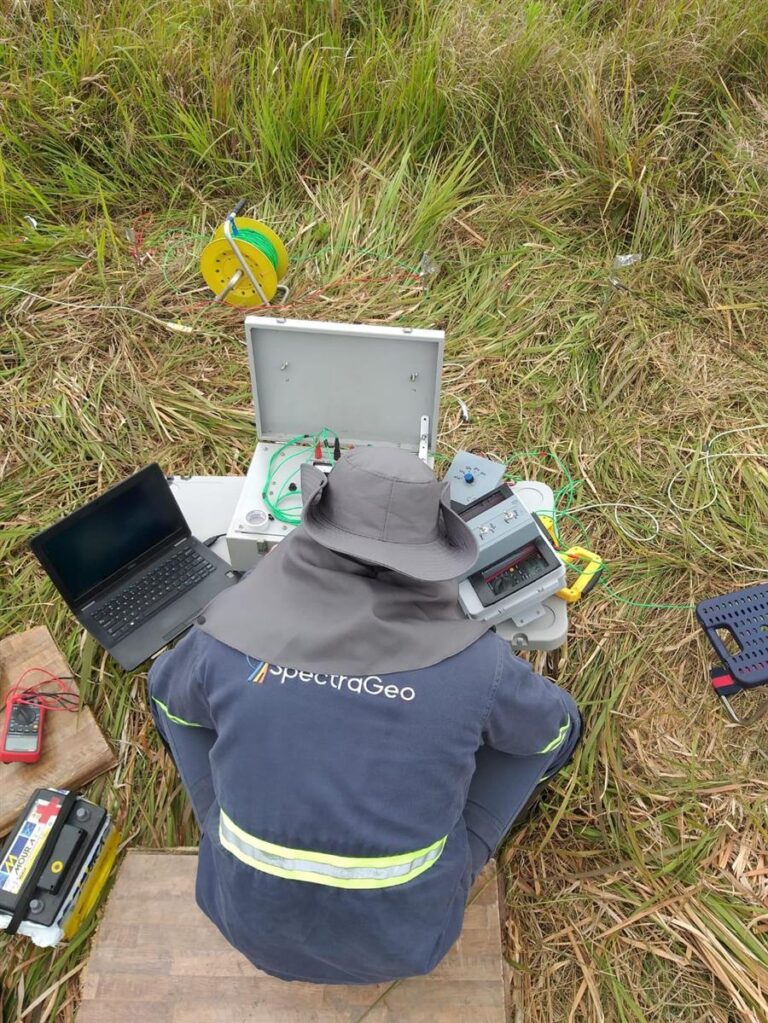
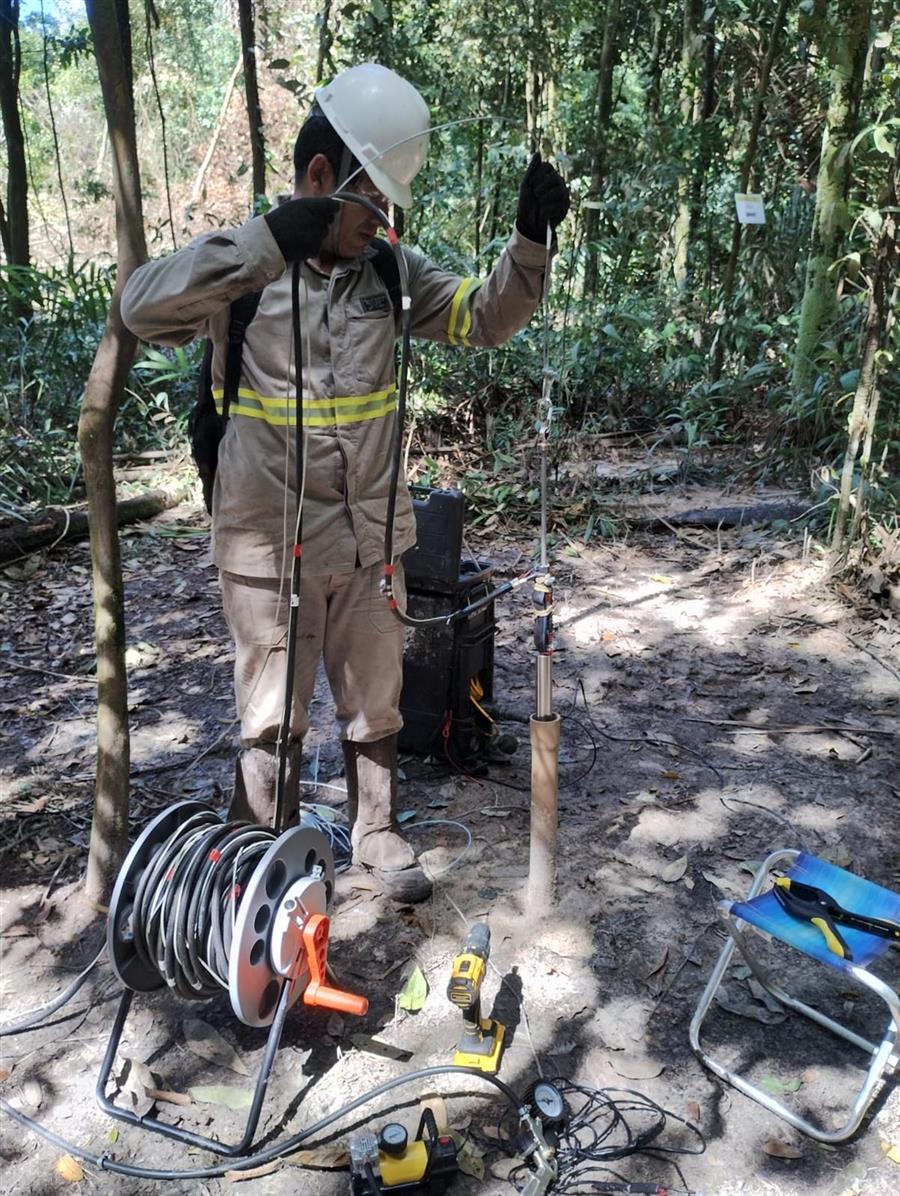
SpectraGeo’s technical team has been studying how combining two very common tests, the SPT and shear-wave velocity (Vs) measurement, can say more about the ground than either one alone. This post summarizes the main ideas of that study.
The problem
The SPT is the basis of nearly all foundation design in Brazil. But the N value measures strength at large strains. Foundation settlement in service depends on stiffness at very small strains.
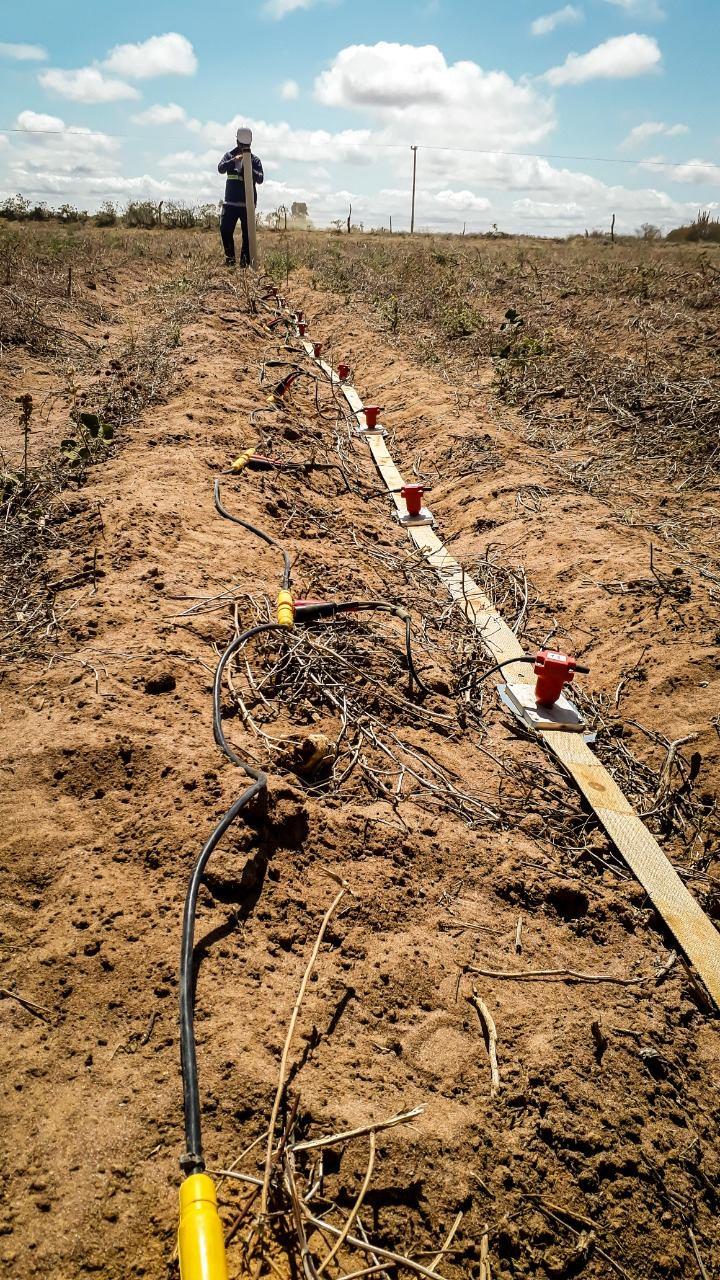
Seismic tests, such as MASW, downhole, crosshole and SCPT, measure exactly that other end: the small-strain shear modulus, G₀ = ρVs². The ratio between the two carries information that neither provides on its own.
What the study proposes
The study compiles 25 published Vs–N correlations, grouped by soil type (clays, silts and sands) and drawn from different countries. Each is converted analytically into a G₀/N curve.
From these curves, the study defines a relative stiffness index (IG). The index compares the measured stiffness with that of a reference uncemented sedimentary soil and sorts the results into four behavior zones:
| Zone | IG | Interpretation |
|---|---|---|
| I | < 0.7 | Young, soft or loose soil, or overestimated N |
| II | 0.7 to 1.5 | Uncemented sedimentary soil |
| III | 1.5 to 2.5 | Aged, overconsolidated, or saprolite with relict structure |
| IV | > 2.5 | Cemented: lateritic soil, weathered sandstone |
Key findings
- G₀/N does not distinguish clay from sand. Their ranges overlap. Grain size is still identified from the SPT sample.
- G₀/N clearly identifies soil structure. Lateritic soils have IG between 3 and 4, confirmed by field measurements in Bauru, Brazil. Saprolitic soils range from 0.7 to 2.6, depending on parent rock and N.
- Settlement correction. The study proposes a simple factor to correct settlements calculated by SPT-based methods: s = s_N / IG, valid for IG up to 2.5.
- N × IG diagnostic chart. It links each combination of strength and stiffness to a foundation decision, for example telling an aged clay suitable for shallow footings apart from a young soft clay.
Why it matters for designers
In practice, the study shows that adding a Vs measurement to an SPT campaign can change how the ground is read. Cemented tropical soils, common in Brazil, tend to have their settlements overestimated when assessed by SPT alone. Young, soft soils can behave the opposite way.
It’s the same reasoning behind our work: integrating geophysics with drilling to make decisions with less uncertainty.
Want to discuss how to apply this approach to your project? Talk to our team.